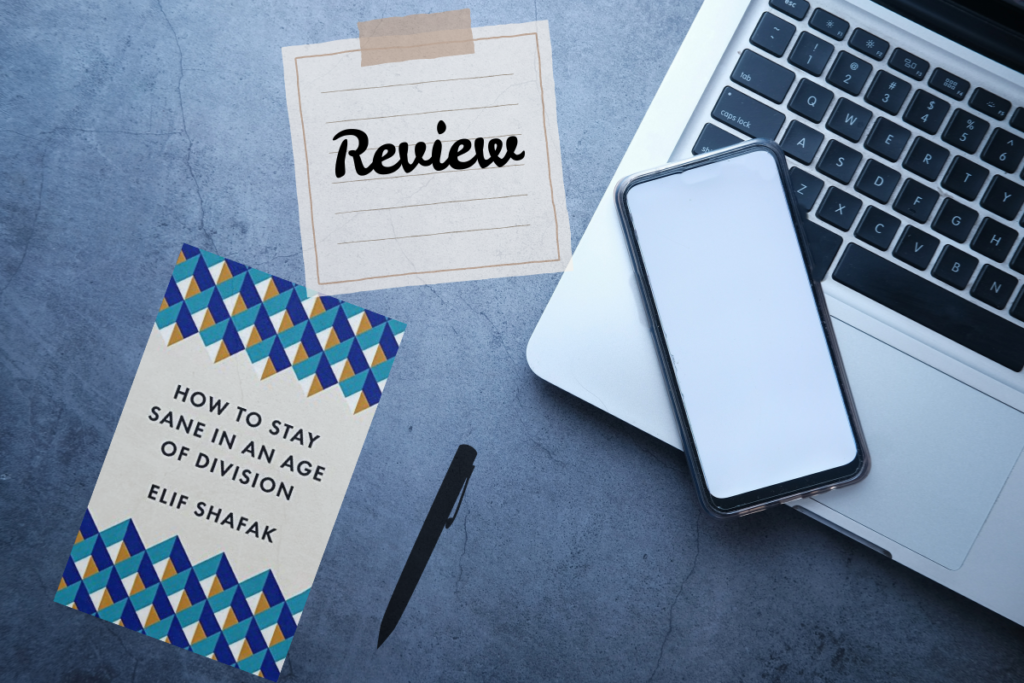
In a world where polarization and division are increasingly shaping our interactions, achieving balance and clarity has never been more crucial. The book How to Stay Sane in an Age of Division by Elif Shafak serves as a compelling guide, offering wisdom on how to navigate challenging times with resilience and intelligence. Her insights are not only relevant to our personal well-being but also offer valuable lessons for career advancement and professional growth.
The Power of Perspective
One of the most profound takeaways from the book is the importance of perspective. Shafak emphasizes the necessity of stepping out of our echo chambers and embracing complexity. In the digital age, where social media amplifies extremes and reinforces confirmation biases, this lesson is particularly crucial.
Shafak argues that when we limit ourselves to a narrow worldview, we lose the ability to think critically and engage with alternative opinions. This has implications beyond social discourse; it directly affects workplace culture, leadership, and decision-making. Professionals who cultivate the ability to see beyond their personal biases are more adaptable and innovative. For instance, leaders who consider diverse viewpoints are better equipped to make well-rounded decisions that benefit a wider group of stakeholders.
Engaging with differences through curiosity rather than hostility fosters better communication and collaboration, both of which are essential workplace skills. In teams, this approach can reduce conflicts, encourage constructive dialogue, and lead to more effective problem-solving. In essence, broadening our perspectives is not just a tool for societal harmony; it is also a career-enhancing skill that promotes growth and adaptability.
The Role of Narrative in Bridging Divides
Another significant insight from Shafak’s book is the role of narratives in building bridges between people. She asserts that storytelling fosters empathy, enabling us to step into someone else’s shoes and understand their experiences. In an era where polarization is fueled by misinformation and selective narratives, embracing diverse stories can help counteract division.
From a professional standpoint, storytelling is a powerful tool in leadership and teamwork. Effective leaders use narratives to inspire and unite their teams. Whether it’s through sharing personal experiences, illustrating a company’s mission, or communicating a vision, storytelling makes messages more relatable and impactful.
Moreover, narratives can also shape workplace culture. Companies that prioritize inclusivity often encourage employees to share their unique backgrounds and perspectives. This not only enhances team cohesion but also sparks creativity and innovation. When employees feel heard and understood, they are more likely to be engaged and committed to their work.
Additionally, storytelling plays a crucial role in personal development. The books we read, the experiences we share, and the conversations we engage in shape our worldview. By exposing ourselves to different perspectives through literature, art, and personal interactions, we can become more empathetic individuals capable of fostering positive change in our communities and workplaces.
The Necessity of Inner Peace and Emotional Resilience
In her book, Shafak urges readers to safeguard their inner tranquillity amidst external chaos. Resilience, she explains, is not about ignoring challenges but about maintaining emotional equilibrium in their presence. This is particularly relevant in today’s high-pressure world, where stress, anxiety, and burnout are common experiences.
Mindfulness and self-awareness are crucial practices in cultivating inner peace. Shafak highlights the importance of engaging in activities that nourish the mind, such as reading diverse literature, practising mindfulness techniques, and fostering meaningful relationships. These habits not only improve mental well-being but also enhance professional performance. Employees who are emotionally balanced tend to be more productive, creative, and efficient problem-solvers.
Furthermore, resilience is a key trait for career success. The ability to navigate setbacks, adapt to change, and remain focused despite adversity is what distinguishes high achievers. In professional settings, resilience translates into the ability to handle criticism, learn from failures, and continuously strive for improvement. By cultivating a strong inner foundation, individuals can thrive even in the most turbulent environments.
Embracing Complexity for Growth
A central theme in Shafak’s book is the appreciation of complexity. In an age where people often seek simplistic solutions to intricate problems, embracing nuance becomes a powerful skill. Understanding that the world is not black and white allows us to engage in deeper, more meaningful conversations and make better-informed decisions.
In the professional world, complexity is inevitable. Whether dealing with workplace conflicts, strategic planning, or industry changes, the ability to analyze situations from multiple angles is invaluable. Employees who demonstrate critical thinking and a nuanced approach to problem-solving are often the ones who excel in leadership roles.
Additionally, embracing complexity enhances our relationships. Instead of rushing to judgments or dismissing differing viewpoints, we learn to engage in thoughtful dialogue. This fosters mutual respect and cooperation, which are essential for building strong professional and personal relationships.
Applying These Lessons to Everyday Life
The insights from How to Stay Sane in an Age of Division are not just theoretical—they have practical applications in our daily lives. Here are some ways to incorporate Shafak’s wisdom into both personal and professional settings:
- Expand Your Perspective: Make a conscious effort to engage with viewpoints different from your own. Read books from diverse authors, follow thought leaders with varying opinions, and engage in open discussions with colleagues.
- Practice Empathetic Listening: When conversing with others, focus on truly understanding their perspective rather than formulating a response. This improves relationships and enhances teamwork.
- Use Storytelling Effectively: Whether in meetings, presentations, or casual conversations, use narratives to illustrate your points and create stronger connections.
- Prioritize Mental Well-Being: Incorporate mindfulness practices such as meditation, journaling, or spending time in nature to maintain inner peace.
- Embrace Complexity: Resist the urge to oversimplify problems. Take the time to analyze different perspectives and seek well-rounded solutions.
Conclusion
In an increasingly divided world, the lessons from Elif Shafak’s How to Stay Sane in an Age of Division serve as essential tools for navigating both personal and professional challenges. By expanding our perspectives, embracing the power of narratives, cultivating inner resilience, and appreciating complexity, we can foster more meaningful connections and lead more balanced lives. These principles can help us thrive in our careers and also enable us to contribute to a more thoughtful and compassionate society.