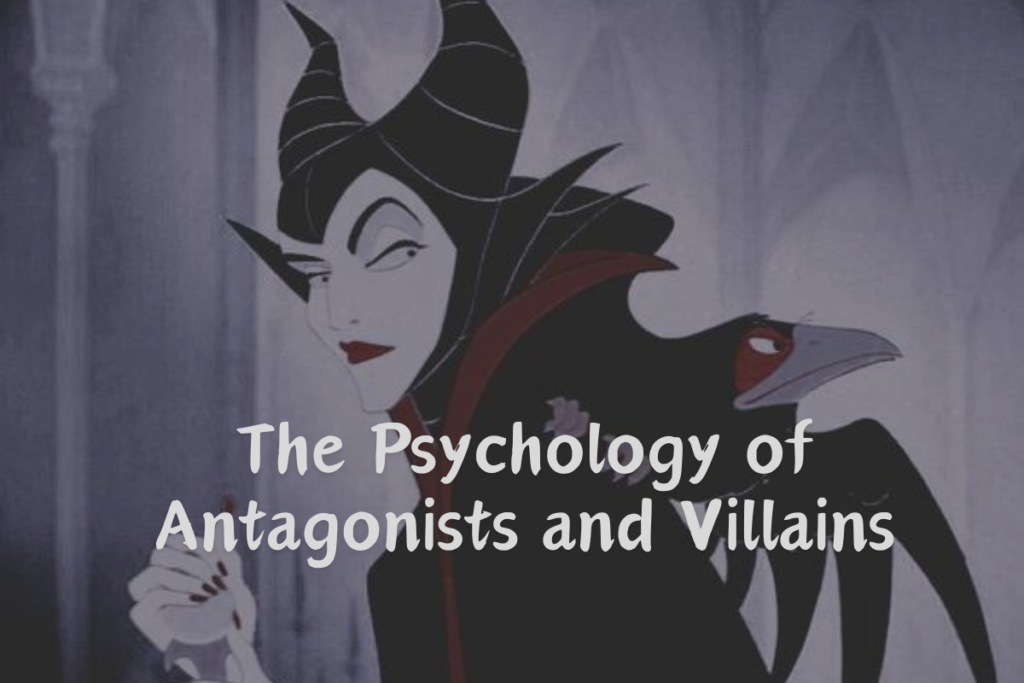
Whether in literature, cinema, or television, compelling antagonists or villains can truly ignite a story. These characters, frequently despised, possess a certain allure and fascination that captivates audiences. The psychology behind well-crafted antagonists and villains is a complex dance of characteristics and motivations that render them both believable and unforgettable.
The Complexity of Antagonists
A crucial aspect of an intriguing antagonist lies in the complexity of their persona. The most captivating villains are not simplistic portrayals of wickedness but rather individuals with intricate inner workings. They have motivations, fears, and desires that guide their actions, making them relatable on some level. From the tragic past of a character driven by vengeance to the inner turmoil of a hero gone rogue, the addition of complexity brings depth to their psychology, appealing to viewers with their suspense.
Villains like Darth Vader from “Star Wars” or Thanos from the Marvel Cinematic Universe exemplify this complexity. Darth Vader’s journey from the hopeful Anakin Skywalker to the Sith Lord driven by loss and betrayal adds layers to his character, making his villainy more compelling. Thanos, with his twisted sense of morality and desire to bring balance to the universe, offers a glimpse into a character who believes his actions are justified, despite their catastrophic consequences.
Reflections of Human Nature
The most memorable antagonists frequently reflect elements of the darker side of human nature. They possess qualities that resonate with our own battles and temptations, such as greed, ambition, or unrestrained power. By exploring these universal themes, antagonists transcend their role as mere obstacles for the main character; they serve as mirrors that reflect the imperfections and susceptibilities of the human experience.
Consider the character of Walter White from “Breaking Bad.” His transformation from a mild-mannered chemistry teacher to a ruthless drug lord is driven by a combination of desperation, pride, and a desire for power. Walter’s journey reflects the potential for darkness within everyone, making his character both relatable and terrifying.
Psychological Engagement with the Protagonist
Another important aspect of an interesting antagonist is their capacity to engage the protagonist on a deep psychological level. Whether through cunning tactics, fear tactics, or sheer intelligence, they compel the hero to confront their own beliefs and values, resulting in internal turmoil and personal development. By serving as both a physical threat and a catalyst for personal transformation, the antagonist plays a significant role in the story.
In “The Dark Knight,” the Joker’s chaotic philosophy forces Batman to question his own moral code and the limits of his vigilante justice. The Joker’s unpredictability and psychological manipulation create a dynamic where the hero must evolve to confront the challenge posed by the villain. This interaction deepens the narrative and enriches the protagonist’s character arc.
The Allure of Charismatic Villains
Some of the most attractive villains have a certain charm or allure that captivates viewers, regardless of their reprehensible deeds. Their presence is captivating, whether through their cleverness, charisma, or sheer force of personality. This impressive presence generates an air of uncertainty, drawing audiences as they eagerly await the next action of the antagonist.
Characters like Hannibal Lecter in “The Silence of the Lambs” or Loki in the Marvel universe exemplify this allure. Hannibal’s intellectual sophistication and Loki’s mischievous charm make them intriguing to watch, even as they commit heinous acts. Their charisma adds a layer of complexity to their villainy, making them more than one-dimensional antagonists.
The Role of Backstory in Villain Development
A well-developed backstory is essential for creating a believable antagonist. Understanding the experiences that shaped their worldview and motivations adds depth to their character. A tragic past, personal loss, or a defining moment of betrayal can humanize a villain, making their actions more understandable, if not justifiable.
Severus Snape from the “Harry Potter” series is a prime example. Initially presented as a villain, Snape’s backstory reveals a life marked by unrequited love, loss, and a desire for redemption. His complexity lies in the duality of his actions and his ultimate sacrifice, which recontextualizes his character and adds a layer of poignancy to his role as an antagonist.
Antagonists as Agents of Change
Antagonists often serve as catalysts for change within the narrative. Their actions force the protagonist to evolve, question their values, and confront their limitations. This dynamic interaction between the hero and the villain drives the plot and adds emotional depth to the story.
In “Les Misérables,” Inspector Javert’s relentless pursuit of Jean Valjean challenges the protagonist’s quest for redemption. Javert’s rigid adherence to the law and Valjean’s moral transformation create a powerful contrast, highlighting themes of justice, mercy, and personal growth. The antagonist’s unwavering principles force the protagonist to confront his past and seek a higher moral ground.
The Fine Line Between Villain and Antihero
The distinction between a villain and an antihero is often blurred, adding complexity to their characterization. Antiheroes possess qualities typically associated with antagonists, such as moral ambiguity and flawed behaviour, but they also display redeeming traits that evoke sympathy and understanding.
Tony Soprano from “The Sopranos” is a quintessential antihero. As a mob boss, he engages in criminal activities and violence, yet his vulnerability, psychological struggles, and attempts to balance family life create a multidimensional character. The audience is drawn into his internal conflict, blurring the line between right and wrong and challenging conventional notions of villainy.
The Evolution of Antagonists in Modern Storytelling
The portrayal of antagonists has evolved over time, reflecting changes in societal values and cultural norms. Traditional villains often embodied pure evil, serving as clear foils to the virtuous hero. However, contemporary storytelling embraces more nuanced and morally complex antagonists, reflecting a deeper understanding of human nature.
Characters like Erik Killmonger in “Black Panther” challenge the conventional villain archetype. Killmonger’s motivations are rooted in a desire for justice and retribution for historical injustices. His character raises important social and political questions, prompting viewers to grapple with issues of race, identity, and systemic oppression.
The Role of Villains in Exploring Ethical Dilemmas
Antagonists often serve as vehicles for exploring ethical dilemmas and moral questions. Their actions and motivations force the audience to confront difficult choices and consider the consequences of their decisions. This exploration of ethical complexity adds depth to the narrative and encourages critical thinking.
In “Game of Thrones,” characters like Cersei Lannister and Ramsay Bolton challenge viewers with their ruthless pursuit of power and their willingness to commit heinous acts. Their actions raise questions about the nature of power, loyalty, and the cost of ambition. By presenting morally complex villains, the series invites viewers to engage with the ethical dimensions of the story.
The Psychological Impact of Villains on Audiences
The presence of a compelling antagonist can elicit a wide range of emotional responses from the audience. Fear, anger, empathy, and even admiration are common reactions to well-developed villains. This emotional engagement enhances the overall viewing or reading experience and creates a lasting impact.
Characters like Voldemort from the “Harry Potter” series and the Wicked Witch of the West from “The Wizard of Oz” evoke fear and tension, heightening the stakes for the protagonist. Their iconic status as villains is a testament to their psychological impact on audiences, making them memorable and influential figures in popular culture.
The Art of Redemption: Villains Seeking Atonement
Redemption arcs add an intriguing layer to the psychology of antagonists. Villains seeking atonement for their past actions create compelling narratives of transformation and forgiveness. These arcs challenge the audience’s perceptions and highlight the potential for change and growth.
In “Star Wars,” the redemption of Darth Vader, once the fearsome Sith Lord, is a powerful narrative arc. His ultimate sacrifice to save his son and destroy the Emperor underscores the theme of redemption and the enduring struggle between good and evil. This transformation adds depth to his character and provides a poignant conclusion to his story.
Villains in Mythology and Folklore
The archetype of the villain is deeply rooted in mythology and folklore, where they often symbolize fundamental human fears and challenges. These stories provide valuable insights into the psychological and cultural significance of antagonists.
In Greek mythology, figures like Hades and Medusa represent the darker aspects of human existence and the unknown. Hades, the god of the underworld, embodies death and the afterlife, while Medusa, with her petrifying gaze, symbolizes the power of fear. These mythological villains offer timeless reflections on the human psyche and our collective fears.
The Role of Villains in Children’s Literature
Even in children’s literature, villains play a crucial role in shaping young readers’ understanding of morality and ethics. Characters like the Wicked Stepmother in “Cinderella” or Captain Hook in “Peter Pan” introduce children to concepts of right and wrong, justice, and the consequences of one’s actions.
These stories often feature clear distinctions between good and evil, providing moral lessons that help children navigate their own ethical landscapes. By engaging with these narratives, young readers develop a sense of empathy, justice, and the importance of making virtuous choices.
The Psychological Appeal of Anti-Villains
Anti-villains, characters who possess villainous traits but also exhibit redeeming qualities or noble intentions, add complexity to the traditional villain archetype. Their moral ambiguity and internal conflict make them fascinating subjects for psychological analysis.
Severus Snape from the “Harry Potter” series exemplifies the anti-villain archetype. His loyalty to Dumbledore and his ultimate sacrifice reveal a character whose actions are driven by love and redemption, despite his outwardly antagonistic behaviour. This complexity adds depth to his character and challenges simplistic notions of good and evil.
The Future of Villainy in Storytelling
As storytelling continues to evolve, so too will the portrayal of antagonists and villains. Future narratives may explore even more diverse and complex representations of villainy, reflecting the ever-changing landscape of human experience and societal values.
Emerging trends in storytelling, such as the focus on antiheroes and morally ambiguous characters, suggest a growing interest in exploring the psychological intricacies of antagonists. By delving into the complexities of villainy, future narratives will continue to challenge audiences and provoke thoughtful reflection on the nature of good, evil, and everything in between.
Conclusion
In conclusion, the psychology of antagonists and villains is a multifaceted and endlessly fascinating subject. From their complex motivations and reflections of human nature to their psychological engagement with protagonists and their capacity for redemption, villains play a crucial role in shaping compelling narratives. By exploring the intricacies of their character, storytellers can create unforgettable antagonists that resonate with audiences and enrich the storytelling experience. The enduring appeal of villains lies in their ability to challenge, inspire, and provoke deep reflection, making them essential components of the human storytelling tradition.