
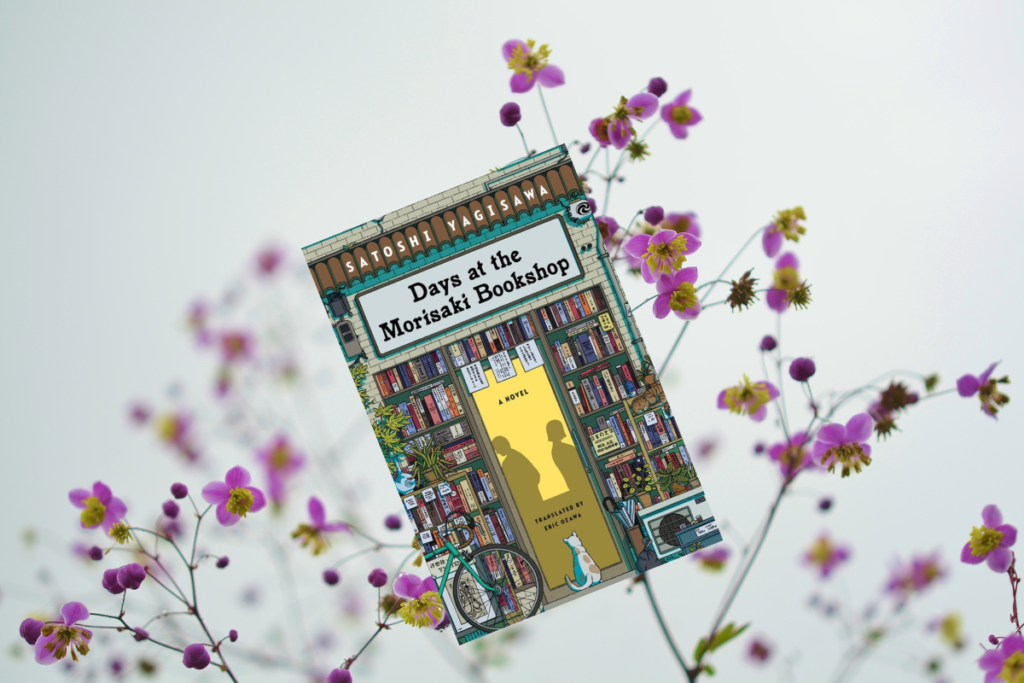
“Days at the Morisaki Bookshop” by Satoshi Yagisawa is a heartwarming and beautifully crafted novel that invites readers into the quiet yet emotionally powerful world of Takako and her journey toward healing, self-discovery, and personal growth. Set in the charming Jinbocho area of Tokyo, known for its plethora of secondhand bookstores, this book explores themes of individual transformation, the restorative power of literature, and the impact of community. Through Takako’s experiences, readers are reminded of the importance of stepping outside their comfort zones, embracing change, and allowing themselves to be vulnerable to the unexpected gifts life can offer.
Core Idea: Healing, Self-Discovery, and the Power of Books
At its core, Days at the Morisaki Bookshop is about healing and self-discovery. Takako, the protagonist, initially sees the bookshop as a temporary refuge, a place to hide away from the emotional pain and disillusionment caused by a romantic relationship gone wrong. However, what begins as a reluctant retreat turns into an opportunity for personal growth. Takako slowly finds solace in the world of books and the community around the Morisaki Bookshop, leading her to rediscover a sense of purpose, joy, and meaning in life.
The novel effectively illustrates the transformative power of literature. Through Takako’s journey, we see how books not only offer an escape from life’s hardships but also provide wisdom, comfort, and perspective. The Morisaki Bookshop becomes more than just a backdrop for her recovery; it symbolizes the magic of storytelling and the potential for renewal that lies within the pages of a good book.
Key Takeaways
The themes and insights from Days at the Morisaki Bookshop are profound and universal, resonating with readers who have experienced loss, disappointment, or a lack of direction in their lives. Let’s explore these key takeaways in greater depth:
1. The Therapeutic Power of Books
One of the most powerful messages in the novel is the therapeutic influence of literature. For Takako, books become a source of refuge, helping her to momentarily escape her feelings of heartbreak and disillusionment. But more than that, books provide her with insights and wisdom that help her navigate her pain and confusion.
In many ways, this is a reflection of how literature functions in real life. Whether we are reading fiction or non-fiction, books have the ability to transport us to different worlds, offer new perspectives, and provide emotional solace. They allow us to connect with the thoughts and experiences of others, helping us to feel less alone in our struggles.
For Takako, the act of reading becomes more than just an escape—it becomes a form of therapy. As she immerses herself in the stories of others, she begins to gain clarity about her own life and her feelings. The novel highlights the idea that literature can be a powerful tool for personal growth and healing, offering both a mirror to our own experiences and a window into the experiences of others.
2. The Importance of Community
Another significant theme in Days at the Morisaki Bookshop is the importance of community and human connection. Takako’s healing is not just facilitated by the books she reads, but also by the relationships she forms with the people around her. The regular customers of the bookshop, other book lovers, and especially her eccentric yet kind-hearted uncle play a vital role in helping her find a sense of belonging and self-worth.
The novel underscores the value of being surrounded by supportive, empathetic people during difficult times. Takako’s interactions with the bookshop’s customers and her uncle serve as gentle reminders that we are not meant to go through life’s challenges alone. By opening herself up to the people around her, she begins to realize the importance of community and how it can offer emotional support, guidance, and companionship.
This sense of community is also reflected in the bookshop itself. The Morisaki Bookshop is more than just a place to buy books; it is a gathering place for people who share a love of literature and a mutual respect for one another. The shop serves as a microcosm of the broader theme of connection, illustrating how places of shared interest can foster a sense of belonging and camaraderie.
3. Embracing Change and Uncertainty
Takako’s journey in Days at the Morisaki Bookshop is also a testament to the importance of embracing change and uncertainty. At the beginning of the novel, she is resistant to the idea of moving into the bookshop and working there. She sees it as a temporary solution, a stopgap measure to help her get through a difficult period in her life. However, as time goes on, she begins to let go of her initial reluctance and starts to appreciate the opportunities that come with change.
The novel teaches an important lesson about the value of stepping outside one’s comfort zone. Takako’s initial resistance to the bookshop represents a fear of the unknown, a common human response to change. However, by allowing herself to embrace the uncertainty of her new situation, she discovers a renewed sense of purpose and joy in life. This theme resonates with readers who may be facing their own fears of change, reminding them that unexpected shifts in life can often lead to the most meaningful growth and fulfilment.
4. Rediscovering Passion and Purpose
Through her time at the Morisaki Bookshop, Takako begins to rediscover her passion for life and her sense of purpose. Before moving into the bookshop, she had lost her direction, consumed by the emotional fallout of a broken relationship. However, her interactions with books, customers, and her uncle gradually reignite her enthusiasm for life.
This theme of rediscovery is central to the novel’s message. Days at the Morisaki Bookshop encourages readers to seek out new interests, explore new hobbies, and reconnect with their passions. It reminds us that life is full of opportunities for renewal and that even when we feel lost, there is always the potential for rediscovery and growth.
For Takako, the bookshop becomes a place of self-reflection and personal transformation. Through her experiences there, she begins to understand what truly brings her happiness and fulfillment. This process of rediscovery is not limited to Takako alone; it serves as an inspiration for readers to reflect on their own lives and consider what passions or interests they may have neglected or forgotten.
5. The Role of Mentorship and Guidance
Another important theme in Days at the Morisaki Bookshop is the role of mentorship and guidance in personal development. Takako’s uncle, who owns the bookshop, serves as a mentor figure for her throughout the novel. His wisdom, kindness, and quirky personality provide Takako with the guidance she needs to navigate her emotional struggles and rediscover her sense of purpose.
Mentorship plays a crucial role in personal growth, and the novel highlights the importance of having someone who can offer support, advice, and encouragement during difficult times. Takako’s relationship with her uncle illustrates how mentors can help us see our lives from a different perspective, offering insights and advice that we may not have considered on our own.
In addition to her uncle, Takako also learns from the people she meets at the bookshop. Each customer has their own story, and their interactions with Takako offer her valuable lessons about life, love, and resilience. These moments of connection serve as subtle reminders that we can learn from the people around us, even in the most unexpected ways.
Conclusion: A Journey of Healing, Growth, and Self-Discovery
In Days at the Morisaki Bookshop, Satoshi Yagisawa has crafted a beautiful and emotionally resonant story that speaks to the power of literature, community, and personal growth. Through Takako’s journey, readers are reminded of the importance of embracing change, rediscovering passion, and seeking out connections with others. The novel’s central themes of healing, self-discovery, and the transformative power of books make it a poignant and uplifting read for anyone who has ever felt lost or disconnected.
Takako’s story is a testament to the idea that even in the most challenging circumstances, there is always the potential for growth and renewal. Whether through the pages of a book, the support of a community, or the guidance of a mentor, we can find the strength to rebuild our lives and rediscover our sense of purpose. Days at the Morisaki Bookshop is a celebration of the simple joys of reading, the beauty of human connection, and the resilience of the human spirit.