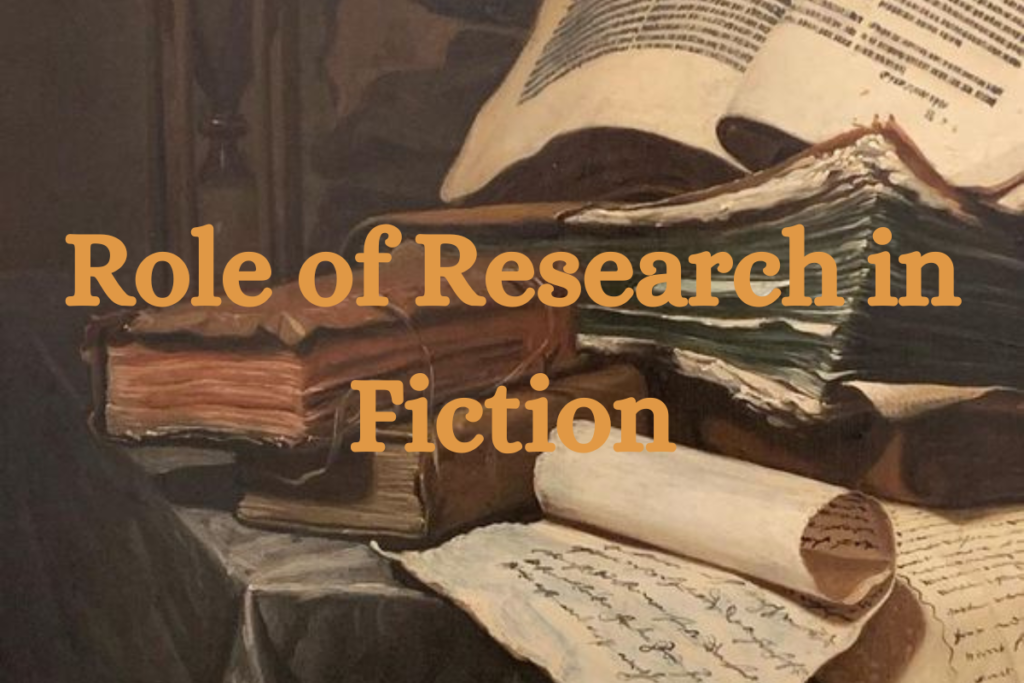
The role of research in fiction enables authors to create authentic, engaging, and credible narratives. Throughout history, the evolution of genres has been influenced by various factors such as the historical backdrop, advancements in technology, and the ever-changing preferences of readers. Central to this evolution is the role of research in fiction.
The Foundation of Literary Genres
The foundation for many of the genres we know today was laid by ancient literature. The epic poem, with its captivating tales of heroism and adventure, held a prominent place in the cultures of ancient Greece and Mesopotamia. The early works, like “The Iliad” and “The Epic of Gilgamesh,” laid the foundation for storytelling conventions and themes that still hold significance in modern literature. These texts were often informed by mythological and historical research, ensuring that the stories resonated deeply with their audiences.
The Renaissance and Literary Innovation
As societies progressed, the genres of literature also underwent changes. The Renaissance period witnessed the rise of fresh literary forms, including the novel and the play, granting authors more flexibility and room for creativity. Renowned authors such as William Shakespeare and Miguel de Cervantes pushed the boundaries of storytelling by skillfully combining different genres and employing inventive narrative techniques. Their groundbreaking work has greatly influenced and inspired future generations of writers. Research during this period often involved a deep understanding of classical texts, historical contexts, and contemporary social issues, which enriched the narrative complexity and thematic depth of their works.
The 19th and 20th Century Expansion
During the 19th and 20th centuries, there was a significant increase in the number of genres due to factors such as industrialization, globalization, and the emergence of mass media. The Victorian era witnessed a surge in the popularity of various genres, including the Gothic novel, the sensation novel, and the social novel. These literary forms effectively captured and conveyed the prevailing social, political, and cultural concerns of the era. Research became increasingly important as authors sought to portray the intricacies of new industrial cities, the nuances of social class, and the complexities of human psychology.
In the 20th century, new genres such as science fiction, fantasy, mystery, romance, and horror emerged, further diversifying the literary landscape. Authors were able to delve into intricate themes and concepts through these genres, ranging from the unsettling existentialism of dystopian fiction to the captivating realms of epic fantasy. The meticulous research behind these genres allowed for the creation of rich, believable worlds that readers could immerse themselves in, whether it be the scientific accuracy in science fiction or the detailed mythologies in fantasy.
Contemporary Genre Evolution
Today, literary genres are constantly evolving, driven by technological advancements, shifting demographics, and changing cultural attitudes. Emerging alongside traditional forms, new genres like cyberpunk, steampunk, and urban fantasy have pushed the boundaries of storytelling and defied conventions. Research in contemporary fiction often involves a blend of traditional methods and modern techniques, including the use of digital archives, multimedia resources, and interdisciplinary studies. This allows authors to address contemporary issues such as climate change, artificial intelligence, and social justice with a high degree of authenticity and relevance.
The Importance of Research in Creating Authentic Narratives
Research in fiction serves multiple purposes: it grounds the story in reality, enriches the narrative, and enhances the believability of characters and settings. For instance, historical fiction requires extensive research to accurately depict the time period, cultural norms, and historical events. Similarly, science fiction and fantasy often require the creation of complex worlds with their own rules and histories, which necessitates a thorough understanding of both scientific principles and mythological traditions.
Moreover, well-researched fiction can illuminate lesser-known aspects of history, culture, or science, educating readers while entertaining them. For example, Hilary Mantel’s “Wolf Hall” series brings to life the intricacies of Tudor politics through meticulous historical research, while Andy Weir’s “The Martian” offers a gripping tale of survival on Mars, grounded in accurate scientific details.
Enhancing Character Development
Research also plays a crucial role in character development. Understanding the historical, social, and cultural context of a character allows authors to create more nuanced and believable personalities. For example, a character in a Victorian novel would have vastly different beliefs, behaviours, and challenges compared to a character in a contemporary urban fantasy. Research helps authors accurately portray these differences, making characters more relatable and realistic.
The Role of Technology in Research
Advancements in technology have transformed the way authors conduct research. Digital archives, online databases, and virtual libraries provide access to vast amounts of information at the click of a button. Social media and online forums offer insights into contemporary issues and trends, allowing authors to stay current and relevant. Furthermore, technologies such as virtual reality can help authors visualize settings and scenarios, enhancing the immersive quality of their narratives.
Challenges and Ethical Considerations
While research is invaluable in fiction writing, it also presents challenges and ethical considerations. Authors must ensure that their portrayal of real events, cultures, and people is accurate and respectful. Misrepresentation or cultural appropriation can lead to criticism and harm the credibility of the work. Balancing creative freedom with ethical responsibility is a delicate task that requires sensitivity and diligence.
Conclusion
The evolution of literary genres serves as a powerful reminder of the ever-changing and imaginative nature of human expression. Throughout the ages, literary genres have evolved and morphed to mirror the ever-shifting hopes, anxieties, and desires of mankind. Research plays a pivotal role in this evolution, providing the foundation for authentic, engaging, and credible narratives. As we look to the future, the continued integration of research into fiction promises to open up new worlds of possibility, offering endless opportunities for exploration and discovery in the realm of literature.